On November 15th, architect Anne Fairfax delivered one of the standout talks of this year’s American Country House Conference: “Bois Doré, Building a Sustainable Future for a Jazz Age Newport Cottage.” Speaking not only as the steward of a remarkable historic home but as one of the nation’s leading practitioners of classical and context-driven design, Fairfax offered the audience a rare insight into how a Gilded Age estate can be responsibly, beautifully, and intelligently carried into the 21st century.
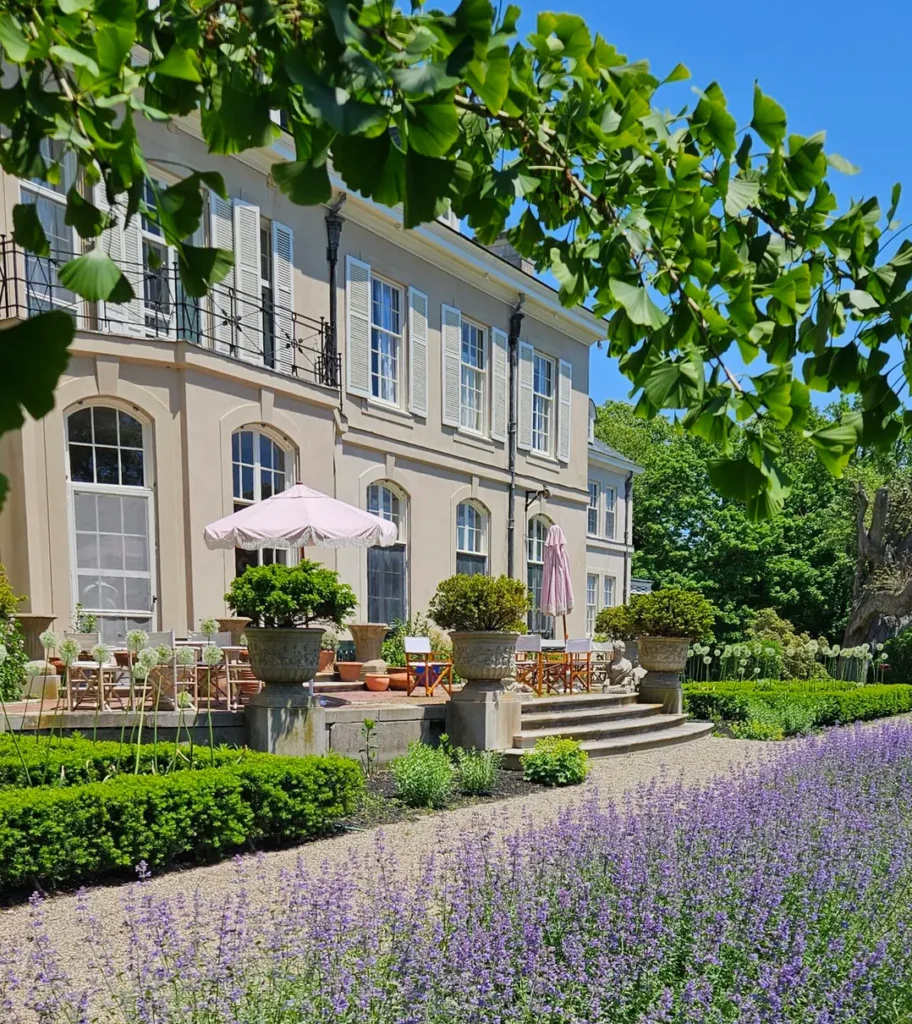
Bois Doré, Newport, Rhode Island
A Jazz Age Masterpiece: The Legacy of Bois Doré
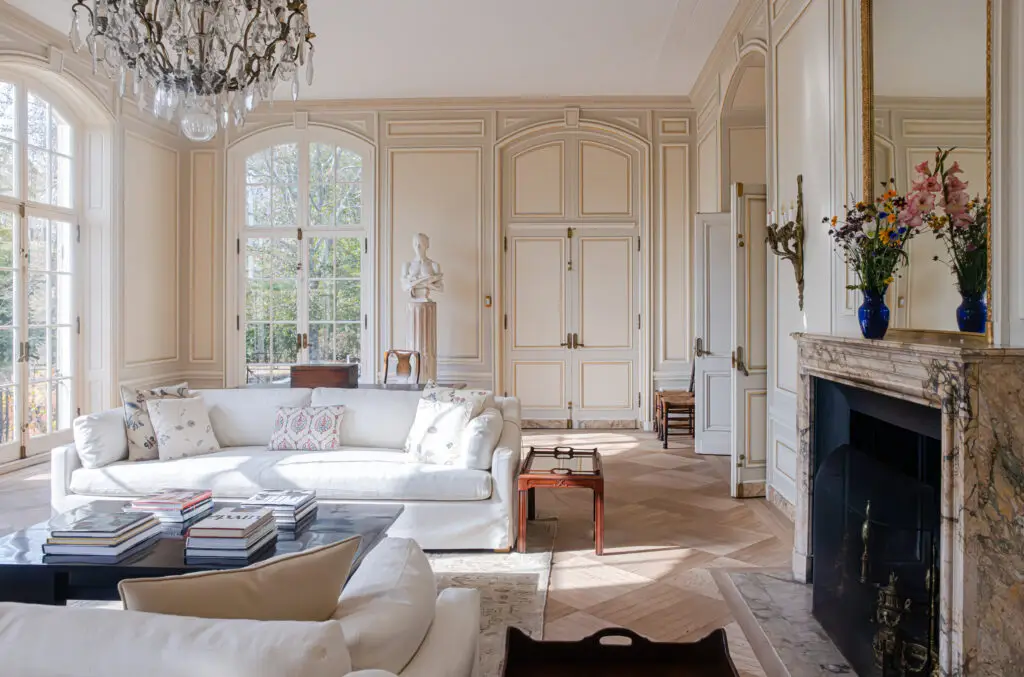
Completed in 1927 and designed by Charles A. Platt, Bois Doré stands as one of the final great mansions of Newport’s storied summer colony. With its refined French château silhouette, limestone façades, and formal terraces, the estate embodies the elegance and optimism of the late Jazz Age. The house is monumental—nearly twenty bedrooms, vast enfilades of rooms, extraordinary plasterwork, grand staircases, and a ballroom that once held lavish parties at the peak of Newport society.
Yet, as Fairfax pointed out, Bois Doré is more than a beautiful artifact. It sits at the crossroads of American architectural history: a bridge between European influence and a growing desire for a distinctly American country house tradition. Its gardens, originally designed with Platt’s disciplined formality, intentionally blur the line between landscape and architecture—a theme central to Fairfax’s broader work.
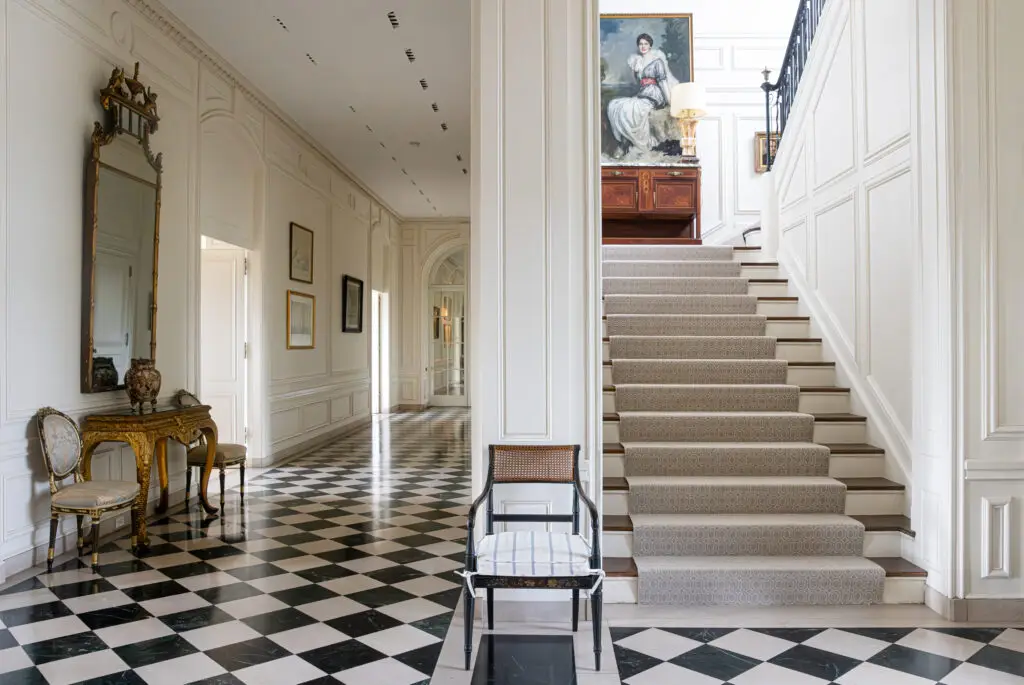
Bois Doré, Entry Hall
A House for its Own Century… and the Next
In her lecture, Fairfax introduced a concept she called “heritage sustainability,” the idea that preserving and adapting historic structures is often more ecologically responsible than demolishing or radically transforming them. Bois Doré, she argued, offers a perfect test case.